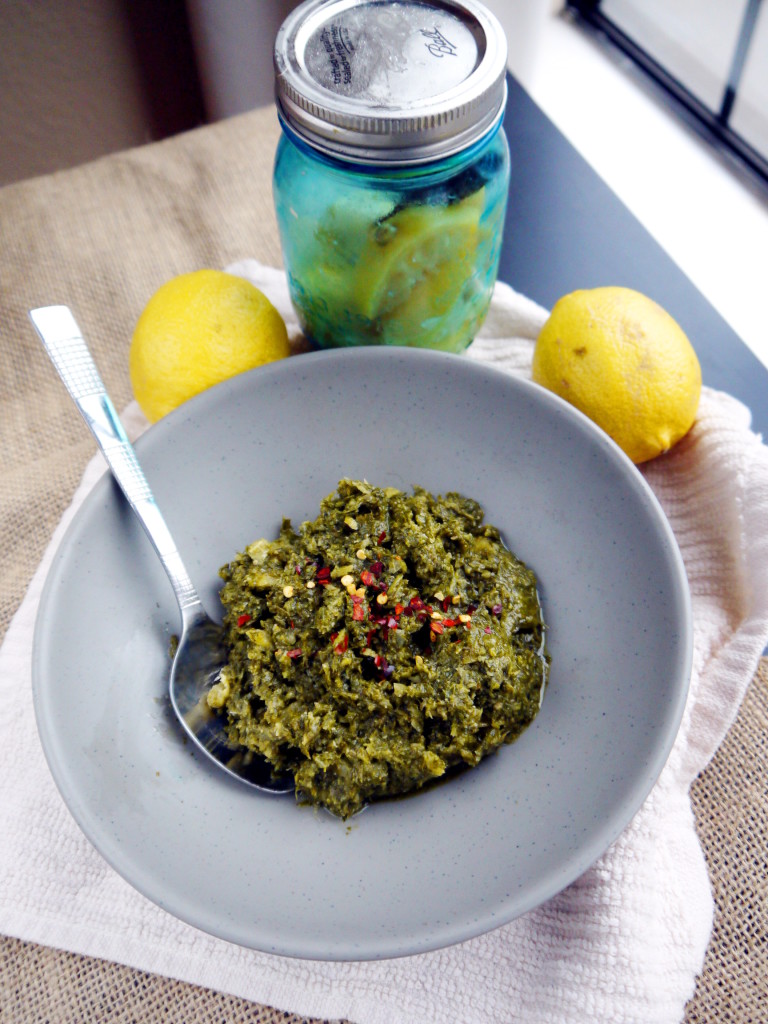
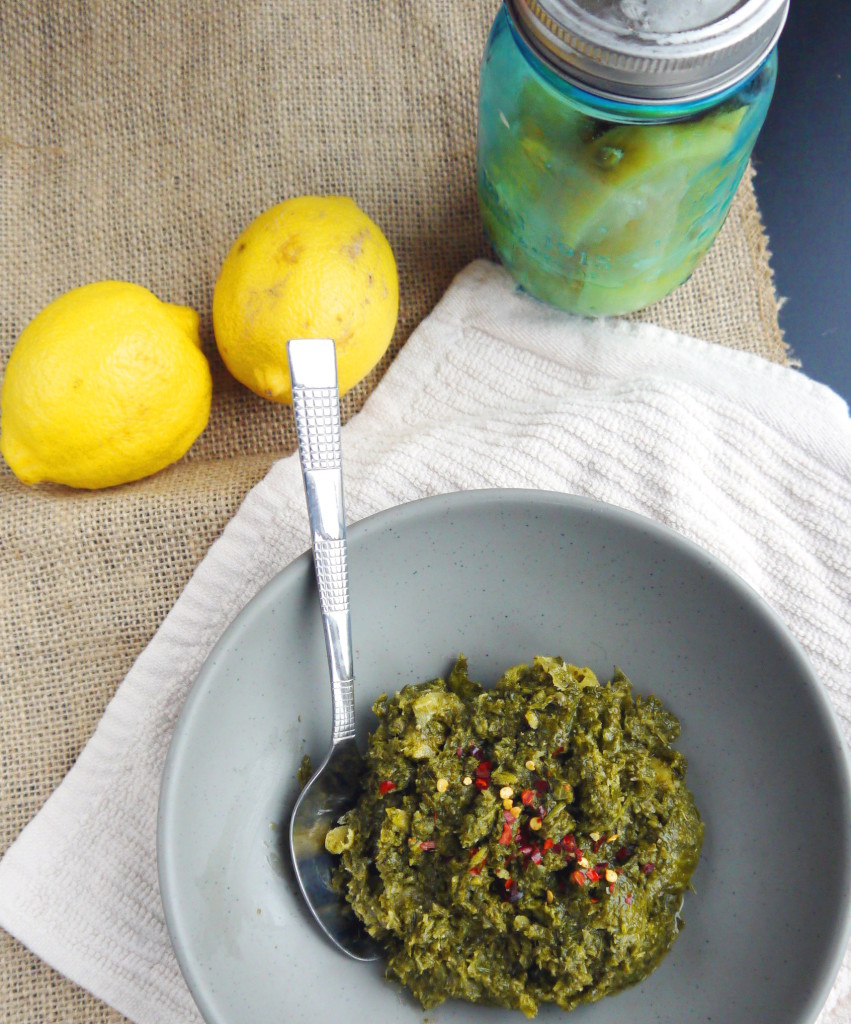
We’ve pretty much been pouring this sauce on everything - fish, rice, steak - you name it. It’s full of umami flavors and fresh herbs, and you can feel good knowing you’re getting good gut bacteria in every spoonful!

This seemed fitting to post since I shared so many new probiotic finds from the grocery store this week on my Instagram. I definitely think Wildbrine’s probiotic salsa is a keeper. I can’t decide if Bragg’s Apple Cider Vinegar Limeade was too stevia-y.
When I took that Intro to Fermentation class, the two biggest key takeaways for me were 1) try to get some probiotics at every meal and 2) a variety of probiotics is key. Just like eating the rainbow of veggies is important, so is eating a variety of bacteria! And because bacteria are so teeny tiny, even a teaspoon of sauerkraut packs the same amount of probiotics as a pill. <— not backed by any science, just my memory of hearing it somewhere…

The history of fermented food is really interesting, in my opinion. People needed a way to keep food from “going bad” before refrigeration, and they discovered fermentation as a natural way of “preserving” the food. A lot of the fermented foods we recognize go back to ancient condiments. Sauerkraut - obviously a condiment for sausages in Germany. If you ever go to a Korean or a Chinese restaurant, there are often a plethora of fermented sauces and chili pastes just preserving away at your table. Miso is a huge one for Japanese cuisine. Supposedly Confucious refused to eat a meal without the “proper condiment”! He sounds like my mom…

People really stopped preserving foods naturally once refrigeration was introduced, which is why we have pickles these days that get their tangy taste from vinegar - not bacteria! I find it telling that allergies and autoimmune diseases really jumped globally (especially in Western cultures) when people started eating less fermented foods since they could just store stuff in their fridge! I’m sure there are plenty more reasons and causations for that spike, but more and more studies show that healthy guts helps maintain immune health and reduce symptoms of autoimmune disorders. I personally noticed major relief on my joint pain and digestive issues when I read this NYtimes article and started on a similar regimen.

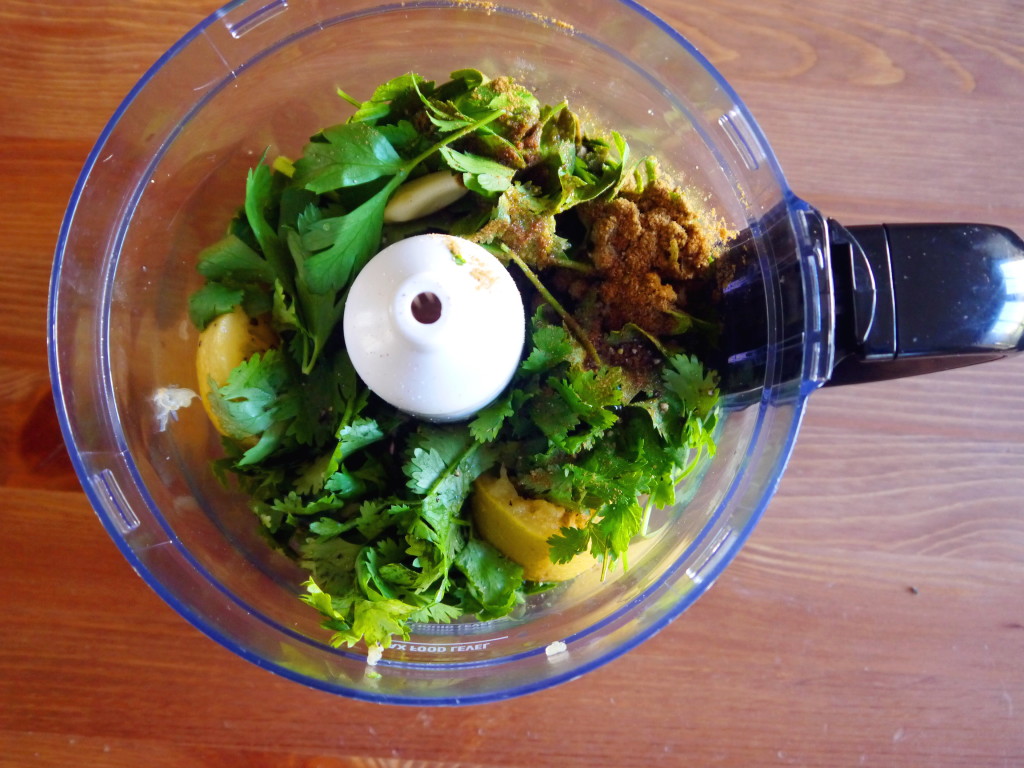
It’s super easy to have a kombucha as a snack, or make your salad dressings with apple cider vinegar for an added probiotic boost. But I have to say - this chimichurri sauce has been the easiest way for us to make sure we are eating some fermented foods at dinner. Like I wrote above, we’ve honestly been pouring it on everything! It’s a classic chimichurri, except using preserved lemons and salt-cured capers - both probiotic. When you allow the chimichurri to sit out on your counter overnight, it turns the rest of the sauce probiotic like magic! You can keep it in your fridge afterwards.

This recipe was heavily adapted from the Intro to Fermentation class I took with Nishanga Bliss - so go check out her blog for some absolutely mind-blowing probiotic recipes.

- 1 large bunch cilantro, stems included
- ½ medium bunch Italian parsley, stems included
- ½ of a preserved lemon, including rind and pulp. Seeds removed.
- 1 tbsp cumin
- 1 tbsp salt-cured capers
- 1 tsp salt
- 1 tsp red pepper flakes
- ½ cup olive oil
- ¼ cup red wine vinegar
- 2 cloves garlic
- Juice of one (non-preserved) lemon (optional)
- Place all ingredients into a food processor and pulse until all items are blended
- Place in a tupperware bin and leave on your counter overnight. It will still retain it's super green color!
- Store in the fridge - this sauce will hold up for several weeks!
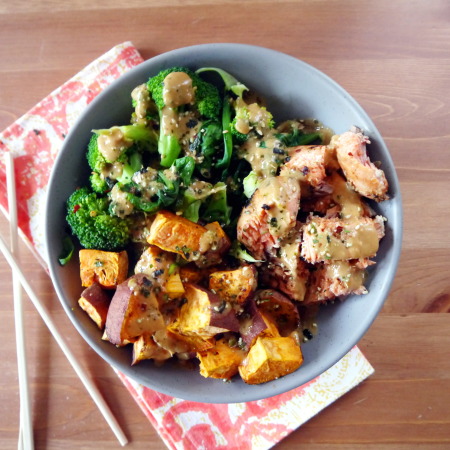
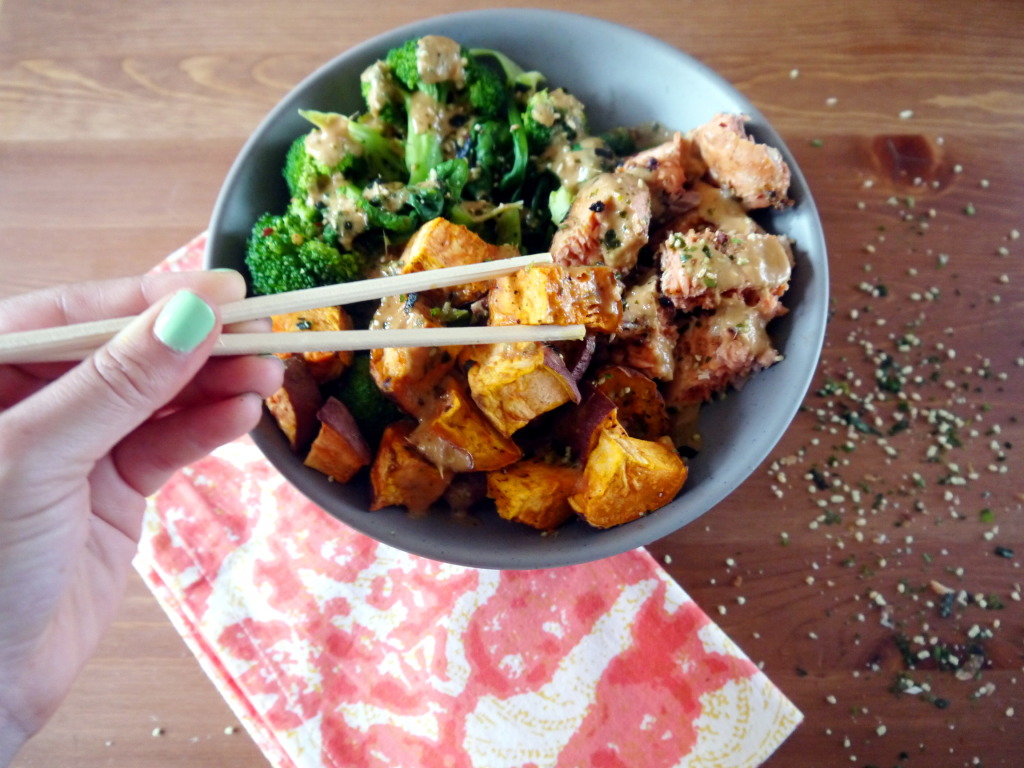
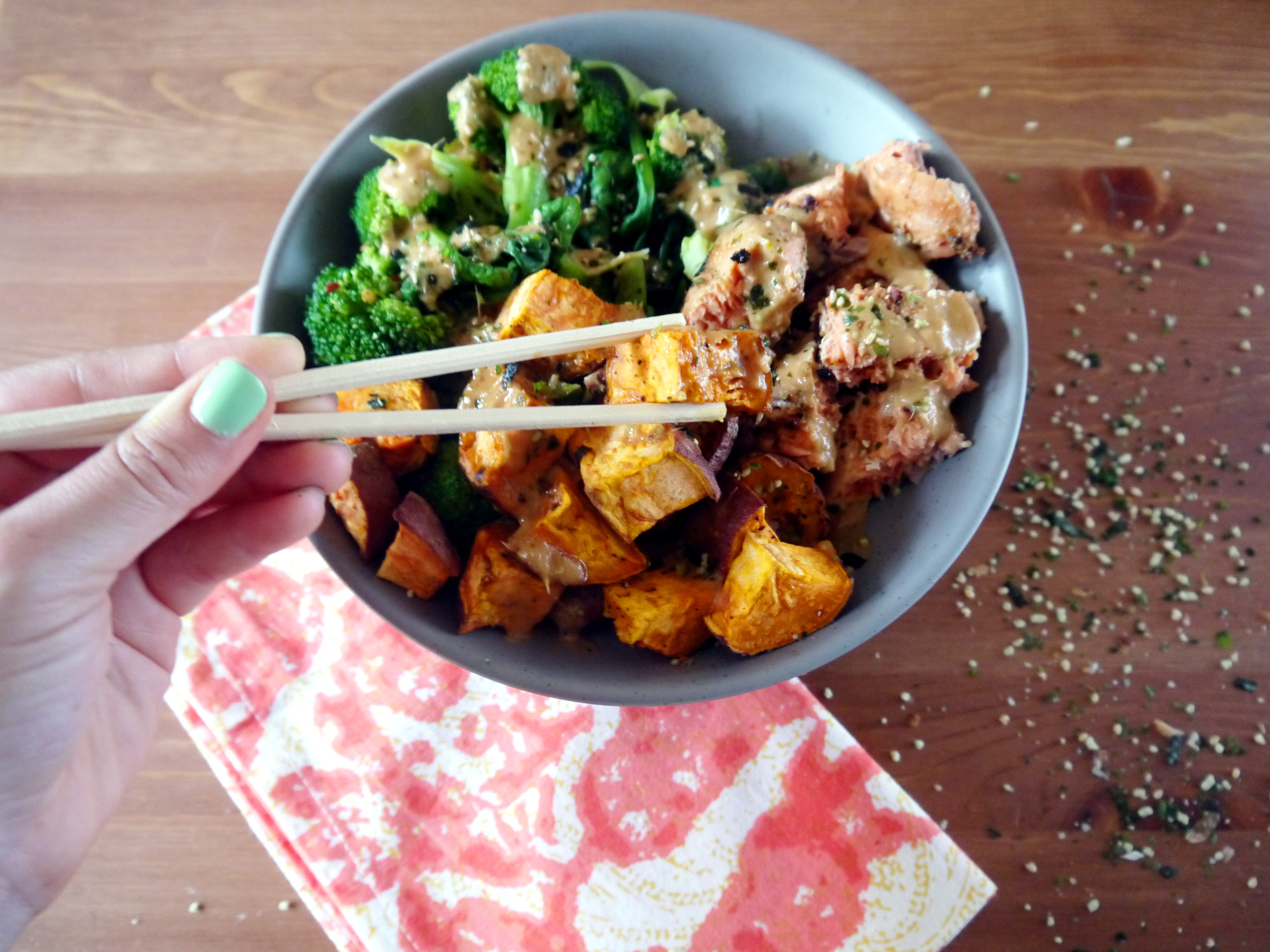
If you like this, you’ll love: Salmon Bowls with Miso Dressing (also great probiotics!)

 Thanks for stopping by!